
Taman Sari Cultural Heritage: Exploring Yogyakarta’s Royal Legacy
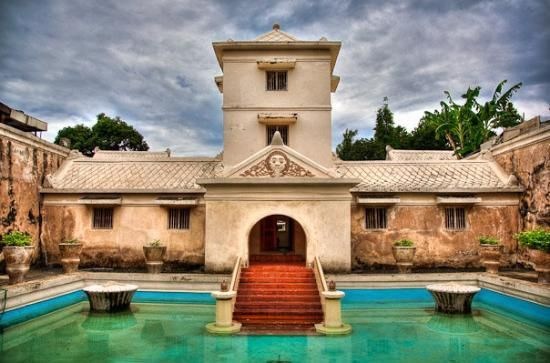
The Taman Sari cultural heritage is an important part of Yogyakarta’s historical identity. Located near the Yogyakarta Palace, Taman Sari was once a large royal complex featuring gardens, bathing pools, buildings, waterways, and underground passages.
Today, the surviving structures allow visitors to discover how architecture, royal traditions, and cultural influences shaped one of Yogyakarta’s most distinctive historic sites.
Understanding Taman Sari’s Cultural Importance
Taman Sari was developed during the eighteenth century during the reign of Sultan Hamengku Buwono I. It was created as part of the royal environment and served several purposes beyond recreation.
The original complex included spaces associated with royal leisure, religious activities, gardens, water management, and movement between different areas.
Although many original structures have disappeared, the remaining buildings continue to represent an important connection with Yogyakarta’s royal heritage.
Travelers who want to explore the site’s history in greater detail can read this Taman Sari Water Castle complete guide before visiting.
Architecture as Cultural Heritage
One of the most visible aspects of Taman Sari cultural heritage is its architecture. The complex combines elements associated with Javanese traditions and influences from other cultural environments.
Visitors can see these characteristics in the gates, walls, pools, stairways, and unusual building layouts.
The architecture reflects the historical development of Yogyakarta and the cultural interactions that influenced the city. Each surviving structure contributes to a larger picture of the former royal complex.
The Cultural Meaning of Water
Water was an important part of Taman Sari’s original design. The complex included bathing pools, waterways, and a large artificial lake.
The Umbul Binangun bathing area is one of the clearest surviving examples. Its pools and surrounding structures demonstrate how water became part of the royal environment.
Pulo Kenanga also reflects this relationship between architecture and water. The structure was historically positioned within a water-centered landscape that looked very various from the area visitors see today.
Sumur Gumuling and Religious Heritage
Sumur Gumuling is another important element of Taman Sari’s cultural heritage. Its unusual circular structure and interconnected stairways make it one of the site’s most recognizable features.
The structure is traditionally associated with religious activities within the former royal complex. Its design demonstrates how spiritual functions were incorporated into the wider environment.
Exploring Sumur Gumuling allows visitors to see that Taman Sari was not simply a recreational garden. It contained spaces connected to several aspects of royal life.
Preserving Historical Structures
The surviving buildings at Taman Sari are valuable because they provide physical evidence of Yogyakarta’s historical development.
Some parts of the original complex have disappeared because of natural events, urban development, and changes over time. Other structures have survived as important heritage remains.
Preservation is therefore an important part of maintaining the Taman Sari cultural heritage for future generations.
Visitors can support preservation by respecting site regulations, avoiding damage to historic surfaces, and treating the structures as cultural heritage rather than ordinary photo locations.
Cultural Heritage and Local Tourism
Taman Sari has become an important destination for cultural tourism in Yogyakarta. Visitors come to explore its architecture, history, photography opportunities, and connections with the Sultanate.
Its location near other historic areas also makes it practical to include in a broader cultural itinerary.
Exploring Taman Sari with an interest in its historical context can provide a deeper experience than simply visiting for photographs.
Tips for Experiencing Taman Sari
Take time to explore several sections of the complex rather than focusing only on the most popular locations. Observe the architecture, water features, gates, and surviving passages.
Comfortable footwear is also useful because visitors need to walk between various areas.
For travelers planning cultural experiences around Yogyakarta and Central Java, Borobudur Tours can also be considered when organizing a wider itinerary.
Explore Yogyakarta’s Cultural Legacy
The Taman Sari cultural heritage represents an important connection between architecture, royal traditions, water design, and the history of Yogyakarta. Its surviving structures provide visitors with an opportunity to explore a former royal environment and understand its cultural significance.
For travelers interested in history and heritage, Taman Sari offers a meaningful way to explore another side of Yogyakarta beyond its modern attractions.
